
Learn where oil in stormwater comes from, which rules apply, and how to stop it at the source. Then see which devices treat free, particulate-bound, emulsified and dissolved oil.
Oil runoff is petroleum from vehicle drips, fueling spills, maintenance fluids and equipment leaks that rain and snowmelt wash off impervious surfaces into storm drains and on to receiving waters. Control it at the source first with cover, dry cleanup and leak inspections. Then treat what remains by fraction: separators for free oil, sediment capture for particulate-bound oil, and sorptive media for emulsified and dissolved hydrocarbons. Device details are in our guides on how to remove hydrocarbons from stormwater runoff and how a stormwater oil/water separator works.
Where does oil in stormwater runoff come from?
Most of it starts on pavement. Traffic builds up engine oil and lubricant drippings, tire and brake wear, and combustion products on roads and parking lots, and asphalt itself sheds petroleum derivatives. Industrial and commercial sites add loading and unloading areas, raw material storage, vehicle maintenance and spills.
Pavement does not let water soak in, and parking lots have traditionally been built to move stormwater into receiving waters as fast as possible through gutters, drains and pipes. Whatever oil sits on the surface at the start of a storm rides that flow into the catch basin and then the storm sewer.
Fueling and maintenance areas are the hotspots to rank first, because oil there arrives in volume. Marinas, boatyards and terminals add fuel docks and deck drains, where oil shows up as sheen on the water; floating hydrocarbon booms are one way those sites capture it.
Why does oil runoff matter, and what rules control it?
Oils, greases and fuels contain hydrocarbon compounds that can harm aquatic life even when concentrations are low. A surface film also slows oxygen moving into the water, and grease can clog drainage structures, which raises maintenance costs and flooding risk.
For industrial sites it is a permit matter. Federal regulations at 40 CFR 122.26(b)(14) require stormwater discharges from listed industrial categories to be covered under NPDES permits. Those categories include heavy manufacturing such as refineries and steel mills, oil and gas exploration and processing, and transportation facilities with vehicle maintenance, equipment cleaning or airport deicing.
EPA's 2026 MSGP issuance also carries a narrative limit: a discharge cannot produce visible floating solids, scum or sheen, whether it carries them or causes them. Sheen is therefore something an inspector can see and write up.
How do you keep oil out of runoff in the first place?
Clean spills immediately using dry methods, and avoid hosing down fueling or work areas. Collect used antifreeze, oil, filters, solvents and hydraulic fluids for recycling or proper offsite disposal. Do vehicle and equipment repairs indoors or under cover, and connect outdoor vehicle storage to a separate collection system with an oil/grit separator.
Add routine leak inspections of vehicles, equipment and tanks, and keep spill kits where fueling and transfers happen. Put these in the SWPPP before you buy any treatment.
Which devices remove oil already in stormwater?
| Oil fraction | Device family | Limit |
|---|---|---|
| Free oil | Oil/water separator or hydrodynamic unit | A conventional separator is generally limited to about one acre of impervious cover, used offline |
| Particulate-bound oil | Sediment and trash capture, including catch basin inserts | Poorly settleable solids pass through |
| Floating oil and sheen | Booms, skimmers, sorbent socks | Many reach capacity quickly and can release oil if overloaded |
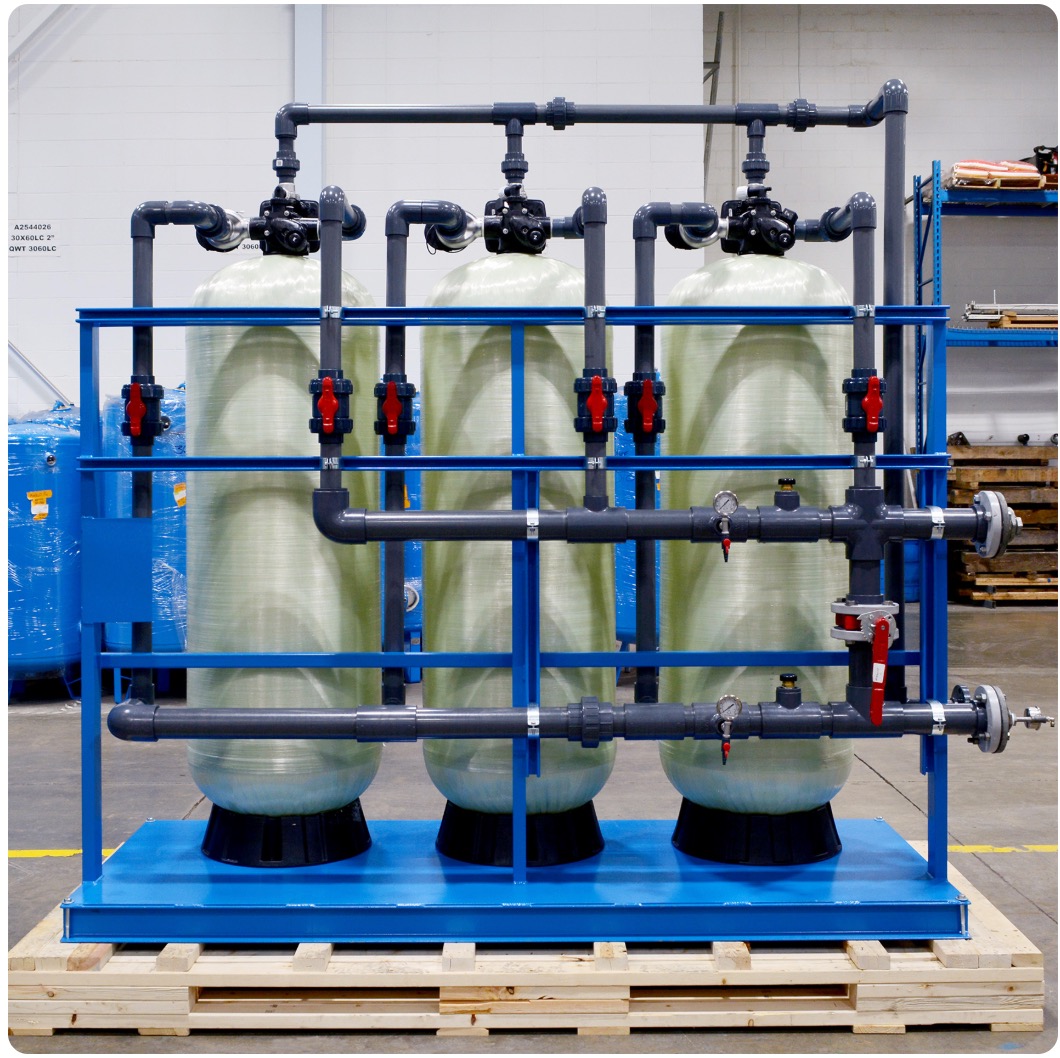
| Emulsified and dissolved hydrocarbons | Sorptive media in inserts, vaults or end-of-pipe units | Media must be matched to the water and changed out before it loads; confirm with a test on your site's water |
Emulsified and dissolved oil pass through a separator chamber, so the separator is a first stage. We treat the remaining fraction with Smart Sponge® media, a hydrophobic, oil-attracting, polymeric-based media that absorbs and retains hydrocarbons. Our Smart Sponge® skimmers capture oil and fuel in sumps, separators, bilges and ponds.
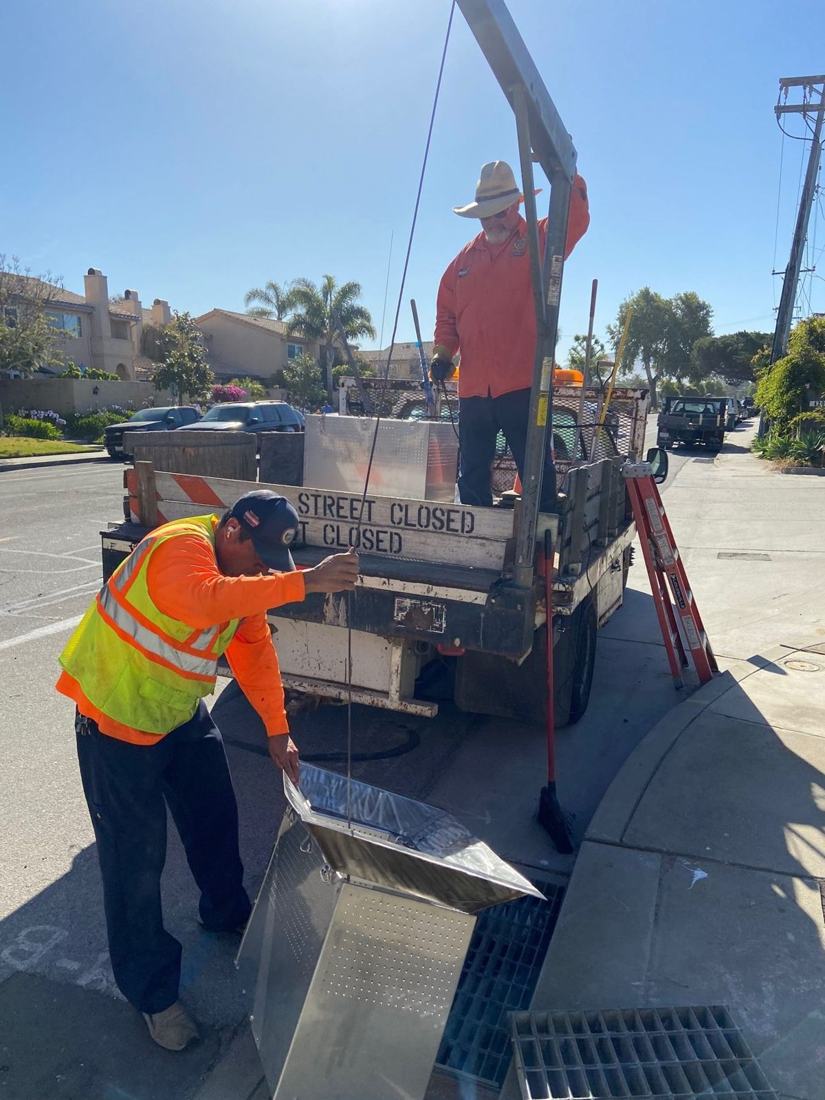
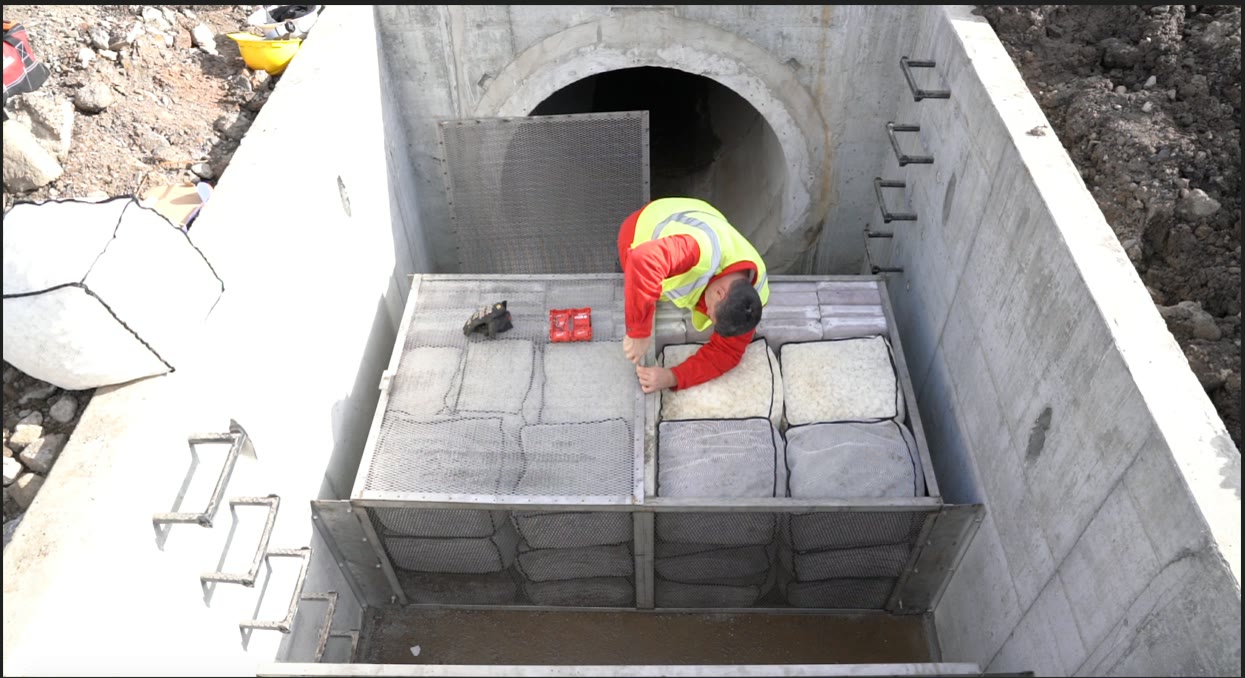
Ultra Urban® Filter inserts are custom-fabricated to each basin's geometry and retrofit existing basins without excavation, pumps or power.
Why do oil controls fail during heavy storms?
Mostly from overload and neglect. Sorbent booms, socks and pillows can release captured oil once they are past capacity. Separators that are not pumped lose the volume they need to settle solids and trap oil. Inserts with no high-flow bypass can back up; Connecticut's stormwater manual lists bypass among its design considerations so excess runoff passes without local flooding.
We plan changeouts, check how the media is doing and adjust as your site changes.
Do bioretention and permeable pavement remove oil from runoff?
Not reliably at oil hotspots. Runoff carries sediment and contaminants from streets and other surfaces to surface waters or into the soil, so fueling pads, maintenance yards and similar areas are poor candidates for infiltration unless oil is captured upstream first.
Where infiltration is considered, siting decides it: contributing drainage area, site slope, soil infiltration capacity and depth to seasonal high groundwater and bedrock. EPA's TMDL implementation manual says recharge practices depend mainly on soil hydraulic conductivity and groundwater elevation, and that 0.5 inches per hour or greater is generally desired.
Where a site fails those checks, or the oil load is high, a passive media stage in existing catch basins or vaults is the alternative. We run your water through the media in our Phoenix lab, then pilot it on site when it makes sense, and you can start by scheduling a site assessment.