
Smart Sponge Plus is described for E. coli and coliform bacteria in stormwater, not enterococcus. This article explains how to check which bacteria indicator your permit measures before choosing it.
Smart Sponge Plus is an antimicrobial medium for E. coli and coliform bacteria in stormwater, but it does not treat enterococcus as described. Check which indicator your permit measures before choosing it. Treatment also does not fix a leak or illicit connection that supplies the bacteria.
Which bacteria indicator does your permit measure?
Start with the indicator named in your TMDL and permit. Fecal coliform is the older indicator. EPA guidance says E. coli and enterococci are better measures of health risk from water contact, and many states still use fecal coliforms. Your state environmental agency's water quality division can confirm which one applies to your watershed, especially if the agency will use your data.
If your permit measures enterococcus, this medium is not the described match, and you should confirm the fit with your agency before relying on it.
Where does the source control step come first?
Bacteria TMDL guidance for MS4 permittees generally asks you to address human sources first, since they carry a clear public health risk. Failing septic systems, illicit discharges and sewer cross-connections are examples. Treatment handles the runoff that remains after those sources are corrected.
Keep source control as the first step, then add treatment for what is left.
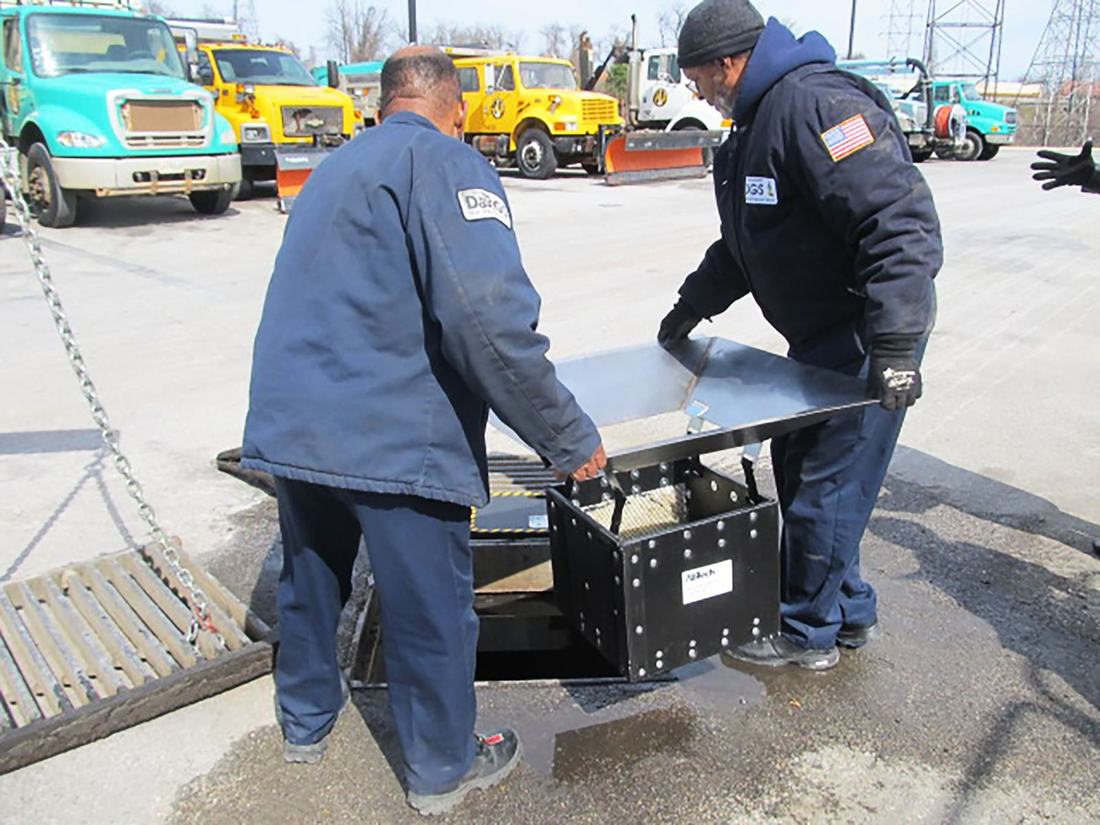
How do you test the medium on your own water?
Results depend on the water each medium treats. Bacteria levels in stormwater are strongly correlated with rainfall, so sampling should cover both wet and dry weather. Collection and handling must be sterile for valid results. Pilot testing on your own runoff gives the most reliable basis for sizing and format.
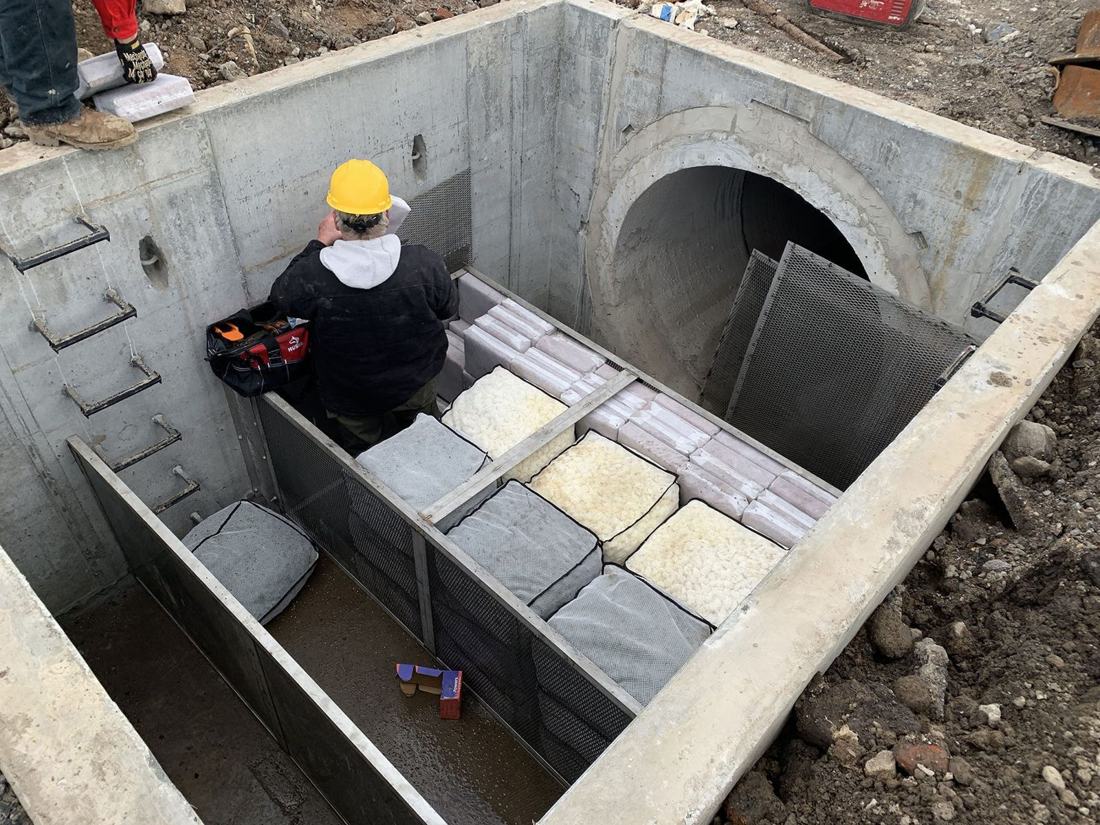
Frequently asked questions
Does Smart Sponge Plus treat enterococcus?
The materials describe Smart Sponge Plus for E. coli and coliform only. Confirm the indicator your permit requires before relying on it.
Who decides which indicator applies to my watershed?
Your state environmental agency decides, and its water quality division should be consulted. Ask early, especially if the agency will use your monitoring data.
To match media and format to your water, request a site assessment.