
Learn the three main stormwater treatment unit types and how each removes pollutants. Covers matching a unit to your site, pollutants, and permit targets.
Stormwater treatment units fall into three families: hydrodynamic separators, media filtration units, and catch basin inserts. Each removes pollutants a different way, so the pollutant you need to reduce should decide which family you consider first.
What are the main types of stormwater treatment units?
Hydrodynamic separators are proprietary devices that use swirl and settling to pull sediment and debris out of flow. The Connecticut stormwater manual describes them as devices that "rely on vortex-enhanced sedimentation for pollutant removal" CT Stormwater Quality Manual, Hydrodynamic Separators. They are usually cylindrical chambers that fit into or beside an existing drain line.
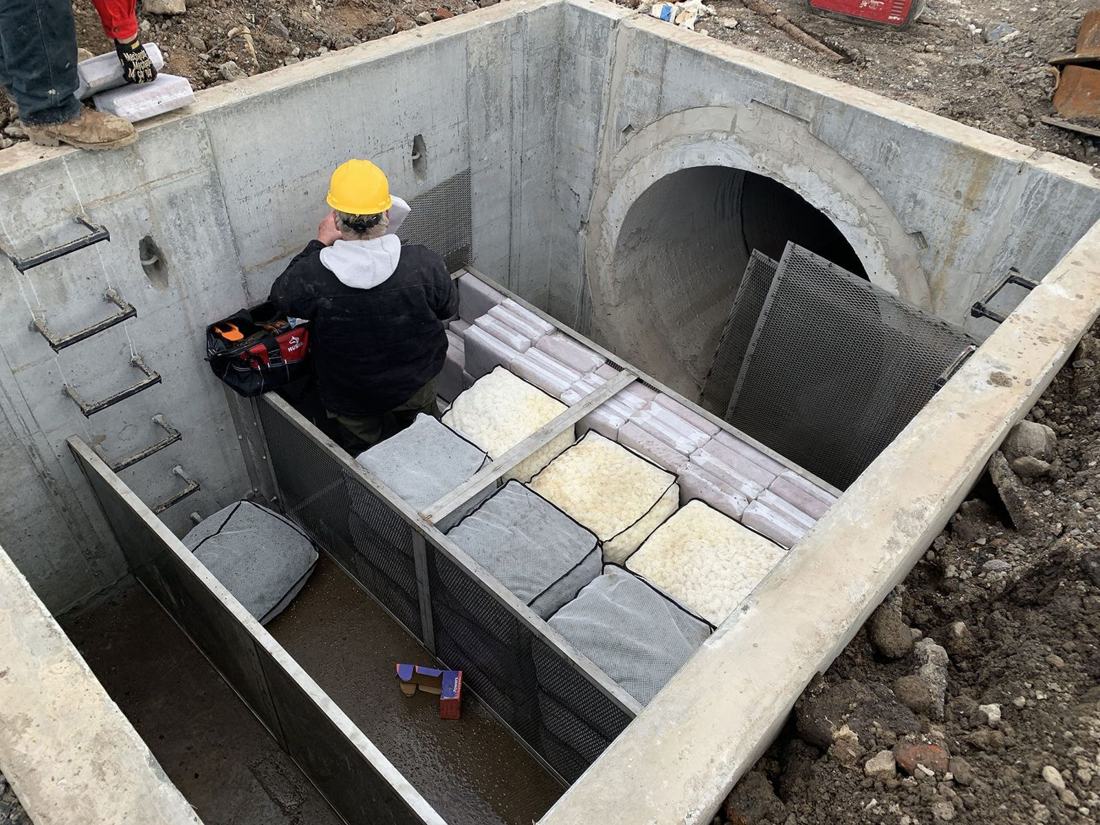
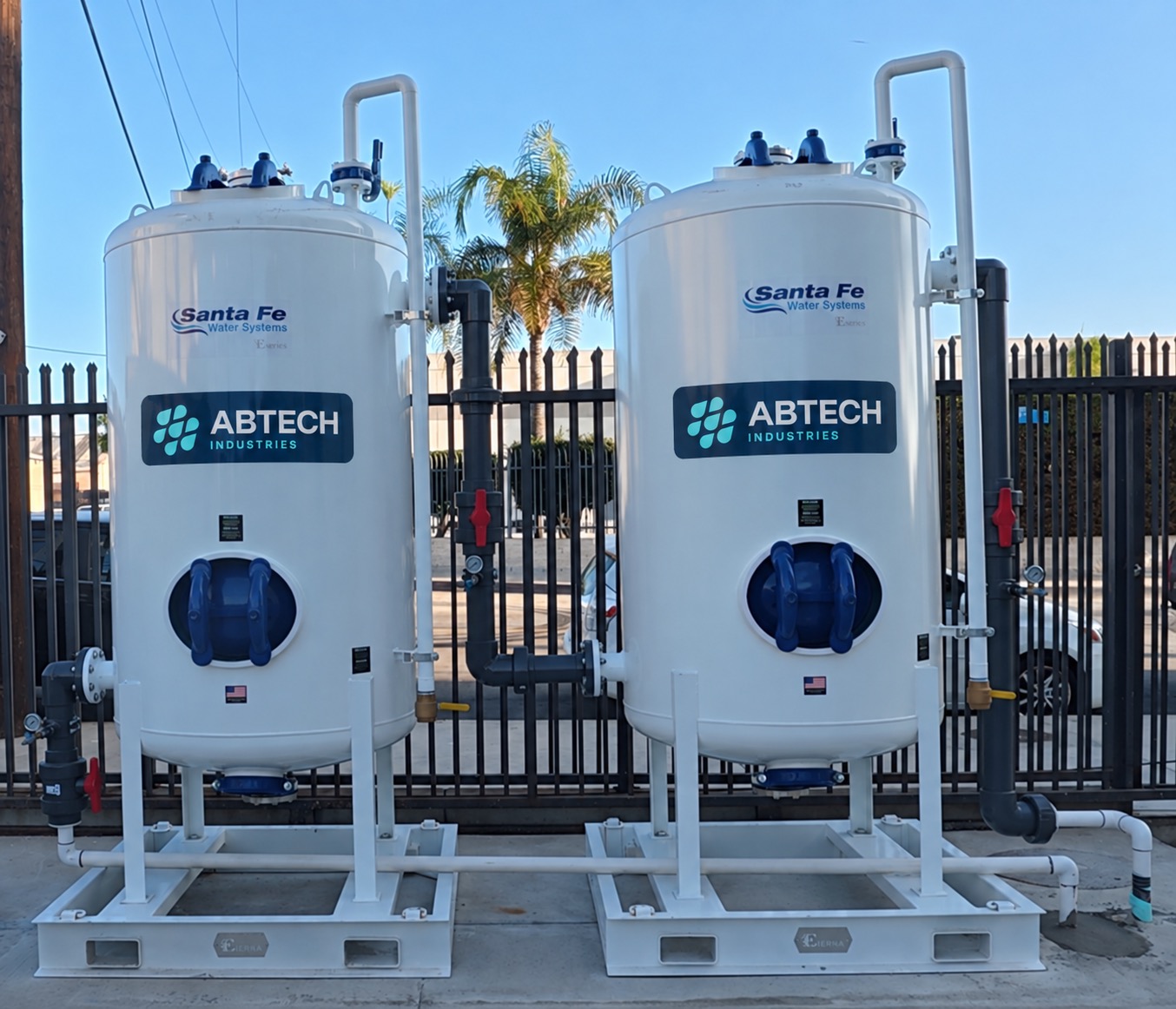
Media filtration units pass runoff through a porous medium that captures particles and, depending on the medium, some dissolved pollutants. Filtering practices treat stormwater "by capturing, temporarily storing, and filtering stormwater through sand, soil, organic material, or other porous media" CT Stormwater Quality Manual, Chapter 6. Packaged filter vessels and vault-mounted cartridges belong to this family.
Catch basin inserts sit inside an existing storm drain inlet and filter water as it enters the basin. The same Connecticut chapter says inserts "are placed directly inside of existing catch basins to remove pollutants from stormwater" CT Stormwater Quality Manual, Chapter 6. Because they reuse a structure already in the ground, they are often the first option for retrofit work. To judge whether a retrofit fits, read when a catch basin retrofit makes sense. Many proprietary units combine these mechanisms, so read each product's stated pollutant targets rather than relying on the category name.
Which pollutants does each type remove, and what does it leave behind?
Hydrodynamic separators remove coarse solids and large oil droplets. The Connecticut manual says these devices "cannot effectively remove soluble pollutants or fine particles" CT Stormwater Quality Manual, Hydrodynamic Separators. A separator built for debris and sediment will leave dissolved metals, nutrients, and bacteria in the outflow.
Media units can reach further. A medium can bind the dissolved fraction that sediment controls miss, but only the contaminants that medium is designed to capture. Dissolved metals are a different target from total metals and call for a different medium. For how the two differ on a lab report, see dissolved versus total metals in stormwater.
Catch basin inserts follow the same rule as the media they carry. A screen or sock insert handles solids and floatables, while an insert loaded with sorptive media can address specific dissolved pollutants.
What site constraints decide which unit fits?
Drainage area, design flow, available space, head, and existing infrastructure together decide whether a separator, an insert, or a vessel-based system is practical. Start with the flow you need to treat, because it sets the size of the unit.
The San Mateo County C.3 guidance, from the Bay Area, separates treatment measures into flow-based and volume-based groups. It explains that flow-based measures "remove pollutants from a moving stream of stormwater through filtration, infiltration or biological processes, and the treatment measures are sized based on hourly or peak flow rates" C.3 Regulated Projects Guide. That source lists media filters among flow-based measures, so peak flow from the drainage area governs their sizing.
Space and head matter next. A vessel or skid needs floor area and, if pumped, power. Catch basin inserts need little space but must fit the existing basin geometry. Where a storm drain is sound and the gap is pollutant capture, a retrofit into current structures avoids new excavation. Where the drain is failing or no structure is available, a new unit may be the only practical option.
How are treatment units verified, and what should a buyer check?
Ask for third-party verification of pollutant removal, tested on water that resembles yours. The Connecticut manual recommends "third party BMP system pollutant removal performance verification programs" for proprietary units CT Stormwater Quality Manual, Chapter 11. Request that verification first, then compare its conditions with your site.
Check the test data itself. A usable report names the contaminant tested, the flow rate, and the influent loading, so you can judge whether the conditions match your site. A removal figure reported at low loading or low flow may not hold during your peak storm.
Confirm that the verification covers the pollutant in your permit. A unit verified for sediment shows nothing about dissolved metals or bacteria. Ask the vendor for a maintenance schedule along with the test results, because the Connecticut manual sets minimum maintenance guidance so proprietary units keep working.
How do permits and receiving-water limits shape the choice?
The pollutants named in your permit and the limits set for the receiving water define the target contaminants. Those targets then narrow the unit family. A permit that names a metal or nutrient points you toward media that binds that fraction. A permit limited to total suspended solids may be met by a separator alone.
Read the permit's parameter list and any receiving-water listing before you look at equipment. If the water body is impaired for a pollutant, that pollutant becomes the design target even when it is not the largest load in your runoff.
To match a unit to your permit pollutants and site, schedule a site assessment with Abtech.